
Building Avkalan Labs
Building a technical venture around simulation software, custom numerical solvers, scientific machine learning, synthetic-data generation and engineering automation.
Role: Co-founder
View projectSelected work across venture building, hardware-software products and technical delivery, grounded in engineering software, scientific machine learning and high-fidelity simulation.
.png)
.png)
.png)
.png)
.png)
.png)
.png)
.png)
From defining the problem and building the technical system to coordinating the work, validating the results and delivering a usable product or capability.
Project archive
Explore ventures and products alongside the engineering software, connected systems, scientific machine learning and simulation that give them technical depth.
Building a technical venture around simulation software, custom numerical solvers, scientific machine learning, synthetic-data generation and engineering automation.
Role: Co-founder
View project
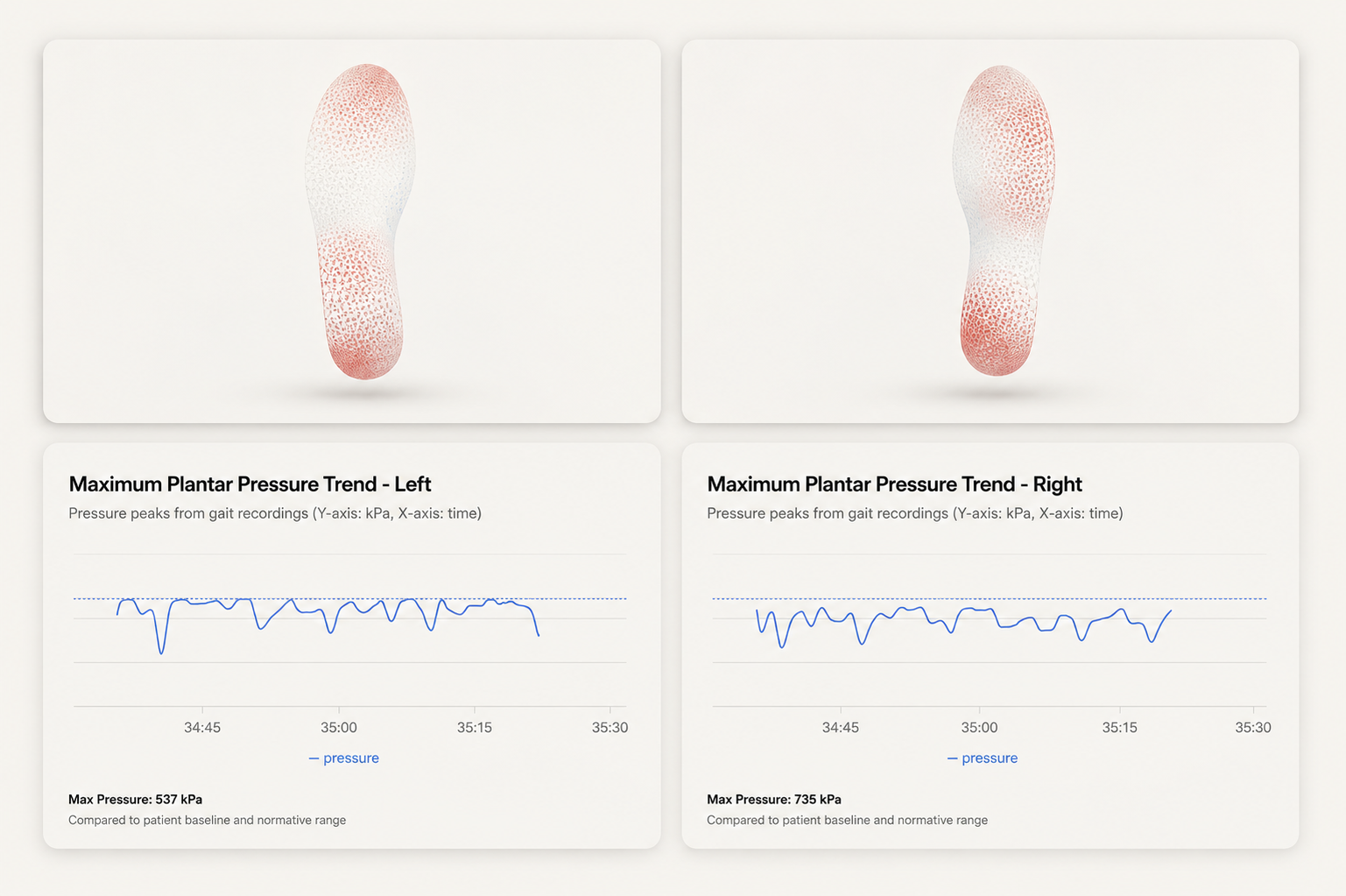
An AI-powered smart wearable combining pressure and motion sensing, embedded electronics, gait analytics, dashboard software and customised insole development.
Role: Co-founder and product lead
View project
An automated pipeline for running physics-based simulation campaigns, converting results into structured datasets and supporting SciML training and validation.
Role: Project lead
View project
A physics-led workflow combining electromagnetic simulation, synthetic data, scientific machine learning and subsurface interpretation.
Role: Solver and scientific ML lead
View project
Domain-specific algorithms for evaluating thermal behaviour, operating conditions and design choices in semiconductor and heat-exchanger systems.
Role: Engineering algorithm developer
View project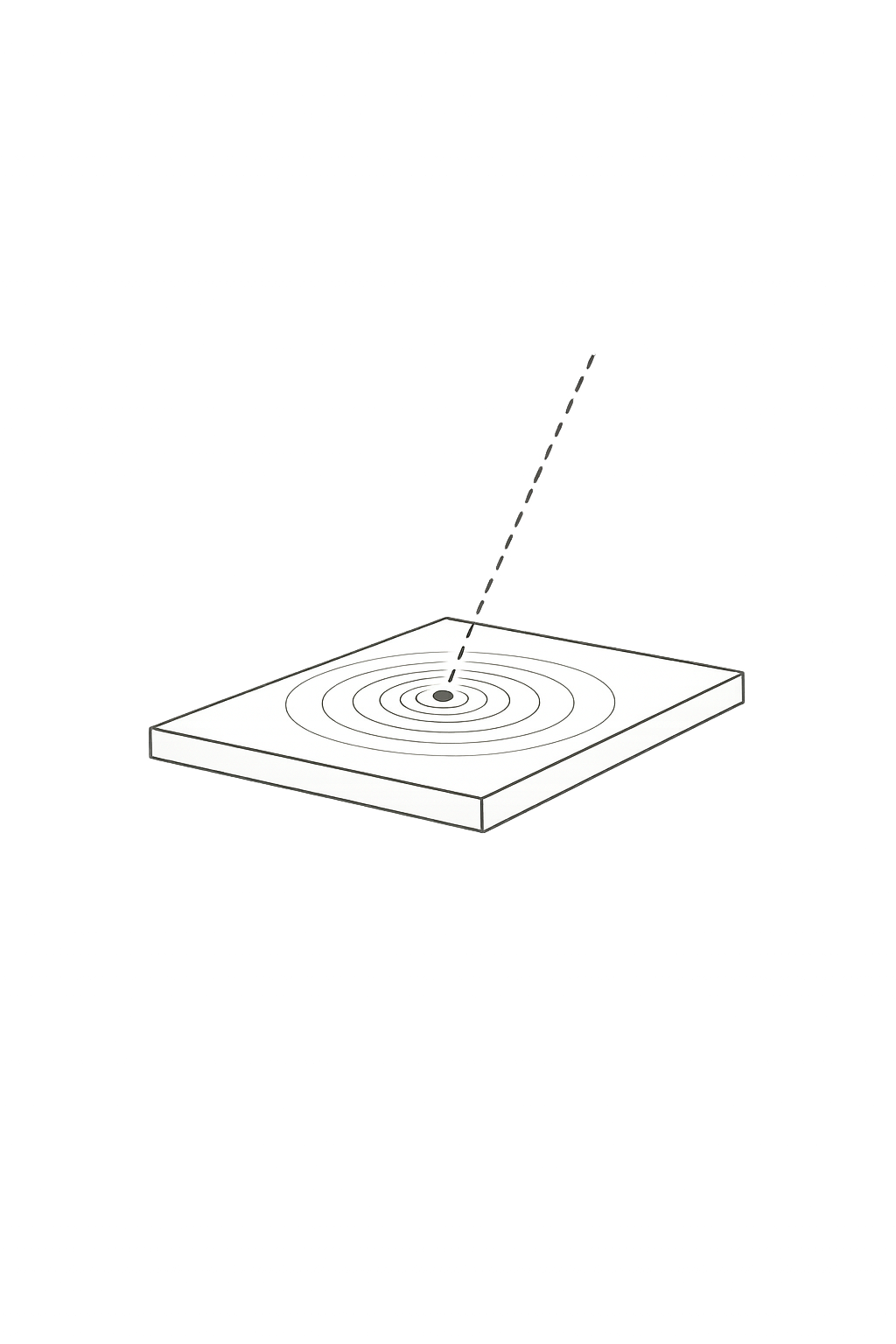
A high-fidelity simulation study of deformation, material response and energy absorption under ballistic loading.
Role: Simulation and analysis lead
View projectRecurring themes
What decision, workflow, or physical problem needs to improve and who depends on the result?
How should the physics, geometry, data, operating conditions and constraints be represented?
What level of fidelity, speed, complexity and cost is appropriate for the intended use?
What validation, comparison, testing, or feedback is required before the result can be relied on?
How does the technical capability become a repeatable, understandable and usable product or workflow?
How do teams, dependencies, technical reviews, validation and hand-offs fit together to move from technical possibility to a usable outcome?
I’m open to conversations about deeptech ventures, technical products and program delivery across AI/ML, engineering software, simulation and connected hardware.